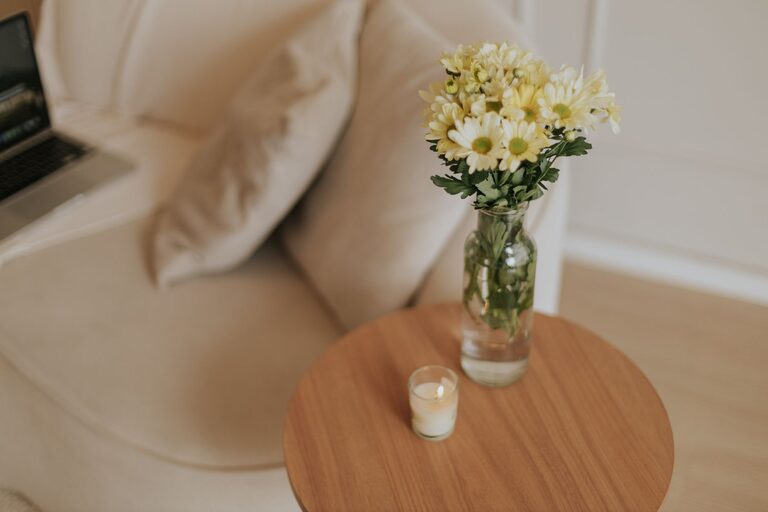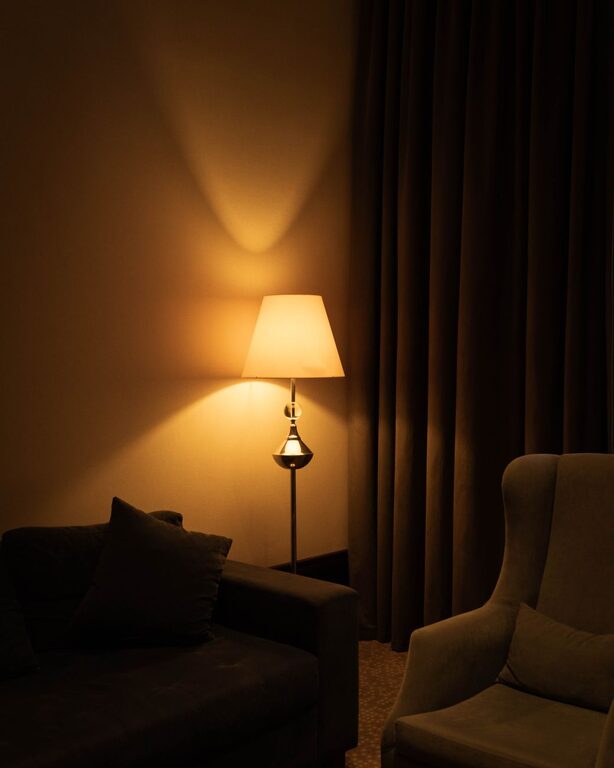
Creating a home office space that feels relaxing and inviting can greatly improve your productivity and overall well-being. When your workspace promotes calm and focus, you’re more likely to enjoy your work and manage stress effectively. Whether you’re setting up a new office or refreshing an existing one, these tips can help you design a home office that blends comfort with function.
Choose the Right Location
The first step to a relaxing home office is selecting the ideal spot in your home. Look for a quiet corner or room with minimal distractions. Natural light is a big plus, so try to position your desk near a window for sunlight and fresh air.
– Avoid high-traffic areas where interruptions are common
– Consider how much room you’ll need for your work essentials
– Think about privacy if you’ll be on video calls or need concentration
Invest in Comfortable and Supportive Furniture
Comfort plays a key role in creating a relaxing environment. Spend time choosing an ergonomic chair that supports your back and encourages good posture. Your desk should be the right height so you can work comfortably without strain.
– Look for adjustable chairs with good lumbar support
– Opt for desks with enough surface area to avoid clutter
– Add a footrest or standing desk option to vary your posture
Keep the Space Organized and Clutter-Free
A tidy workspace helps clear your mind and reduce stress. Use storage solutions like shelves, drawers, and organizers to keep papers and supplies in order.
– Declutter regularly to avoid distractions
– Use cable management tools to keep cords neat
– Label storage containers for easy access to materials
Personalize Your Environment
Adding personal touches makes your office feel more inviting. Choose decor that brings you joy and reflects your personality, but keep it simple to avoid overwhelming the space.
– Display a few favorite photos or artwork
– Include plants to add a natural, calming touch
– Use calming colors like soft blues or greens on walls or accessories
Optimize Lighting for Comfort and Productivity
Lighting impacts mood and focus. Use a combination of natural light and soft artificial lighting to avoid eye strain and create a welcoming atmosphere.
– Position your computer screen to reduce glare
– Use desk lamps with adjustable brightness
– Avoid harsh overhead lights; opt for softer, warmer bulbs
Incorporate Calming Elements
Small touches can promote relaxation during work breaks. Consider adding elements that help you reset and recharge.
– Place a small water fountain or aromatherapy diffuser nearby
– Play gentle background music or nature sounds
– Keep a yoga mat or meditation cushion handy for quick mindfulness breaks
Set Boundaries for Work and Rest
Design your space to help separate work life from home life. Clear boundaries can reduce anxiety and help you switch off after work hours.
– Use a room divider or curtain if needed
– Establish routines like “opening” and “closing” your office each day
– Store work materials out of sight when not in use
Maintain Good Air Quality
Fresh air improves concentration and comfort. If your workspace allows, open windows regularly or use air purifiers.
– Keep plants that help purify the air, such as snake plants or peace lilies
– Avoid heavy scents that can be distracting or cause allergies
Establish a Consistent Routine
A relaxing office space paired with a daily routine supports mental well-being. Schedule regular breaks, stretch often, and keep a consistent work schedule.
– Try the Pomodoro technique: 25 minutes of work followed by a 5-minute break
– Use reminders to stand up and move or practice deep breathing
– End your day with a calming ritual, like organizing your desk or journaling
—
Creating a relaxing home office is about blending comfort, organization, and personal style in a way that helps you feel calm and focused. By following these tips, you can build a space that supports both productivity and peace of mind. Remember, small adjustments can make a big difference in transforming your work-from-home experience into something truly enjoyable.
About the Author